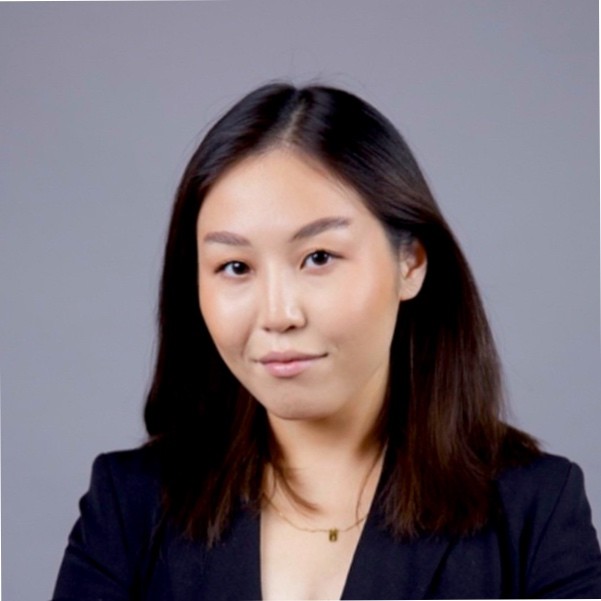
Canyon Crest Academy senior Ethan Leem, 17, presented an AI tool he built for Kenya's Maasai people at a UNESCO forum in Riyadh, Saudi Arabia, in September.
The Del Mar resident was the youngest presenter at the 4th Global Forum on the Ethics of Artificial Intelligence, held Sept. 14–17, as first reported by the San Diego Union-Tribune. He showcased Maasai GPT, a large language model he built to help preserve the language and cultural heritage of the Maasai people.
The tool translates the Maasai language into English and Swahili with 98% accuracy, according to Leem. It draws on a library of 11,000 documents and audio recordings generated by the Maasai community. It also uses satellite data to map grass and water sources so Maasai warriors can plan cattle-herding routes.
"Every feature, every resource on this program is there because the indigenous community in Kenya worked with me to create it," Leem told the Union-Tribune.
Maasai GPT went operational in the summer of 2025. Leem said the translation feature has helped tourists communicate with a Maasai chief and aided the community in discussions with the Kenyan national government about land rights.
Leem has visited Kenya four times and spent a total of two months living with the Maasai. His first trip came through CCA history teacher Timothy Stiven, who runs the Envision Conservatory for the Humanities, a project-based after-school program he founded in 2013. Stiven was named a top-10 finalist for the $1 million Global Teacher Prize in January 2026.
All four of Leem's Kenya trips included his mentor Jessica Censotti, executive director of the San Diego International Sister Cities Association. The trips, organized through Sister Cities and the nonprofit My Chosen Vessels, are open to student changemakers across San Diego.
Five trips to Amboseli have taken place so far. Students have helped build a community center, drill a well and construct a water-bottling plant.
Leem developed Maasai GPT using "vibe coding," a method that relies on AI-generated code, despite having little prior computer science experience. He enlisted help from Censotti and the Maasai people themselves.
Climate change is driving the urgency behind the project. Leem said the lack of safe water and the loss of 40% to 60% of cattle to dehydration and lack of nutrients force Maasai families to leave their villages, taking traditional ceremonies and oral storytelling traditions with them.
Stiven told the Union-Tribune that while many of his students can envision strong ideas, Leem stands out for building one into a working tool and presenting it with confidence on a global stage. Most young speakers at such conferences are graduate students talking about aspirational work, Stiven said. Leem was presenting results.
The UNESCO forum, co-hosted by the Kingdom of Saudi Arabia, drew more than 6,300 participants and more than 50 member-state delegations. It was the first Global Forum held in the Gulf region.
Leem is applying to colleges and hopes to study anthropology. He plans to return to Kenya in spring 2027 with 15 other San Diego students.