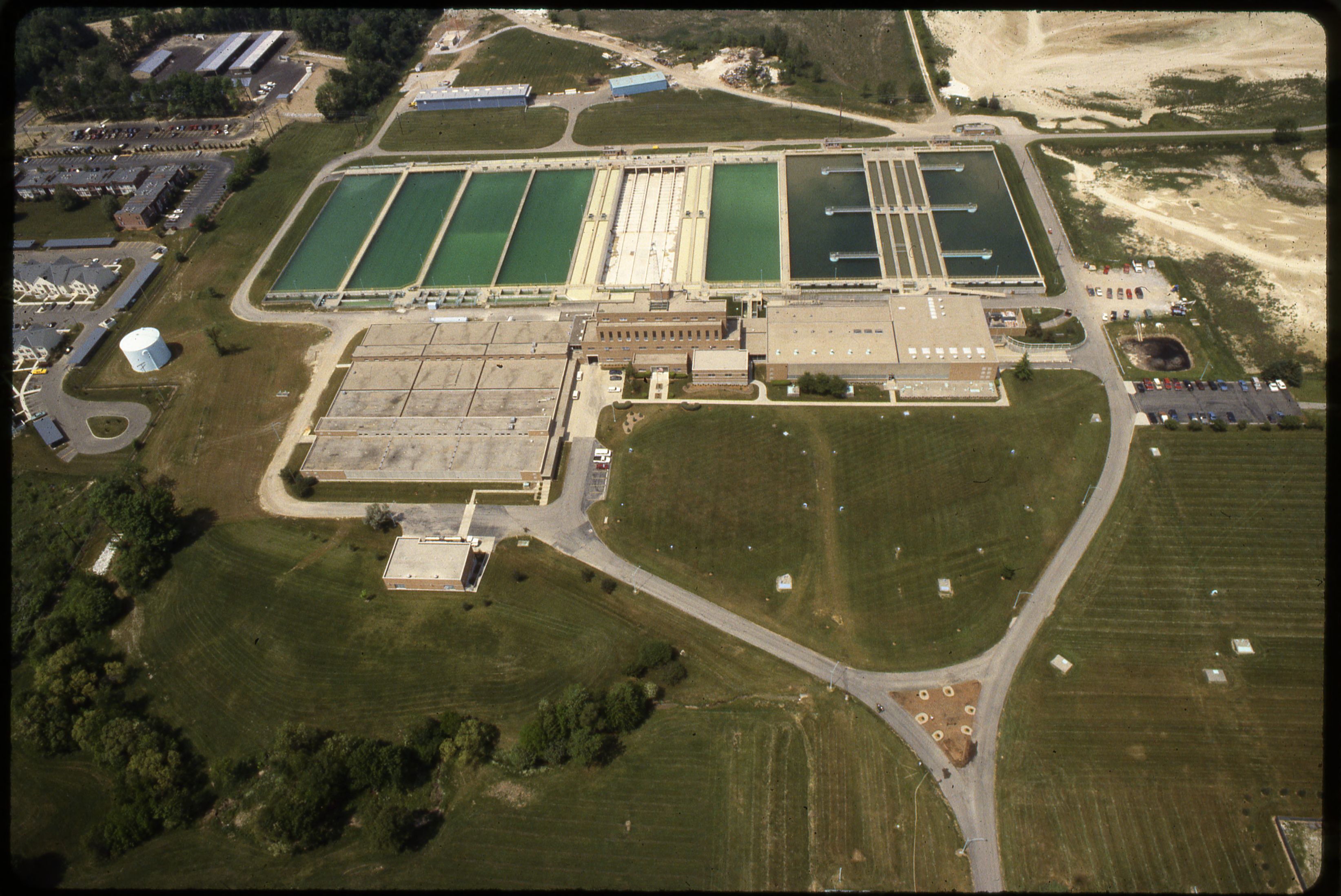
Santa Fe Irrigation District staff recommended keeping artificial intelligence away from the district's water treatment plants and pipeline controls, presenting a draft AI use framework to the board at a special workshop Tuesday, Sept. 29.
The workshop presentation, led by General Manager Albert C. Lau and Assistant General Manager Seth Gates, draws a hard line between AI for office work and AI anywhere near the systems that deliver water to Del Mar and Solana Beach customers.
The district cited three reasons for keeping AI out of treatment operations: the cost would exceed any savings for a district its size, AI tools can produce false or corrupted outputs, and the district's SCADA system (the computerized network that monitors and controls water infrastructure) is air-gapped with no internet connection. AI tools require internet access to function.
The presentation called for a human-in-the-middle approach to critical infrastructure, stating that all actions must be performed by a human employee.
Where AI would be allowed
On the administrative side, the district outlined a broad list of potential uses. Customer service could get an AI-powered phone line and website chatbot. Accounting staff could use AI for fraud detection, cash flow analysis and budgeting. IT could deploy it for cybersecurity monitoring and phishing detection. Engineers could use it to predict pipe failures and organize documents.
Staff demonstrated one use case live. An AI tool drafted a 13-page board report on the district's 2025 Urban Water Management Plan in under six minutes. The presentation emphasized that AI output is a starting point for staff, not a finished product ready for the board agenda.
Guardrails and data rules
The framework sorts information into three tiers. Public data and routine drafting fall into a lower-risk category with human review required. Sensitive matters like personnel, contracts and legal issues require staff to pause and consult a supervisor. Passwords, personal data, security details and anything touching SCADA or treatment controls are off-limits entirely.
The district flagged "shadow AI," employees using unapproved tools without oversight, as a key reason it needs a formal policy. Under the proposed rules, staff remain responsible for verifying and approving any AI-generated work. Prompts and outputs may qualify as public records subject to retention and disclosure rules.
What comes next
The draft policy will incorporate input from district counsel and the Employee Association before going to the Administrative and Finance Committee (AFC) for review in early 2027. The district described the policy as a living document requiring annual review.
The workshop had been planned earlier in 2026 but was postponed. According to April 16 board meeting minutes, Lau said the original date would be used instead for a session on commercial real estate alternatives for the district's administrative facilities.
The AFC's early 2027 review is the next scheduled milestone. No specific date has been set.